Ayurveda is based on the concept of five fundamental elements: sky, air, fire, water, and earth. These five elements are further condensed into three basic metabolic forces in the human body called doshas – vata, pitta and kapha. These forces, or doshas, are the basis of Ayurvedic diagnosis and therapeutics.
The winter season is dominated by dosha kapha, which is made up of earth and water elements, so kapha is heavy, wet and cold. This is the reason people feel sluggish and slow, and may develop mucus-related complaints in winter. Ayurveda recommends warming up, staying active, drying out the respiratory tract, and strengthening immunity during this season.
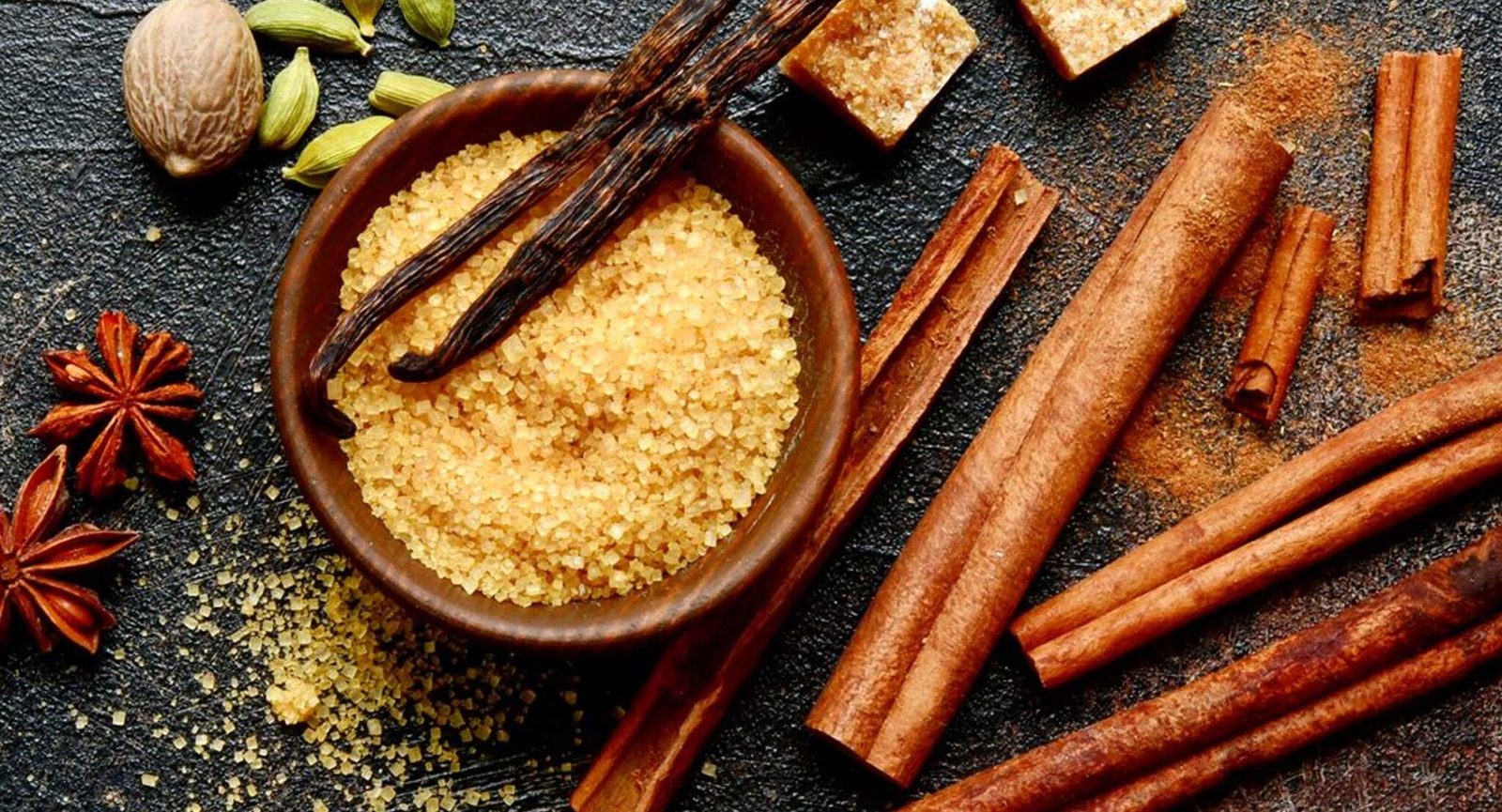
The adaptation to the season can be made through both food and lifestyle changes. Food choices should be warm, dry, light and easy to digest. Cold, oily and heavy foods should be avoided, because excess kapha (cold weather plus cold food) causes cold, slow, wet and heavy conditions such as chest congestion or an increased tendency towards obesity. It is beneficial to eat warm foods and to use mild warming spices such as cinnamon, cloves and garlic. Warm winter teas such as ginger root, cinnamon, cardamom, clove and black pepper can also be taken.
Tastes to balance kapha include pungent, bitter and astringent. Foods with a pungent taste, like ginger and radish, can be eaten to keep warm. A bitter taste, like leafy greens, and an astringent taste, like apple or pomegranate, are great for maintaining the body’s detoxification during this more sedentary season. The overall strategy for food intake according to kapha dosha is to eat less total food, favour low-fat and low-calorie options, eat less frequently, and make the largest meal at midday. Cooked beans with warming spices make an excellent winter dish.
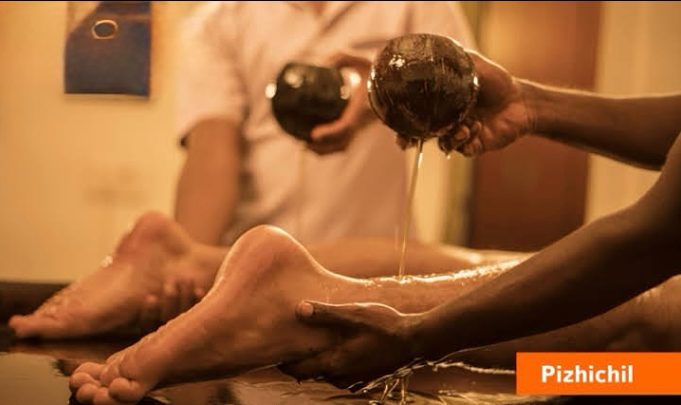
Massage with warm, moistening oils such as sesame, olive or mustard oil is also recommended in winter, because these oils help to reduce kapha. As kapha is cold and slow, staying warm and active in winter helps to keep this dosha in balance.
Dr Aseem Gautam
AyuNature Wellness