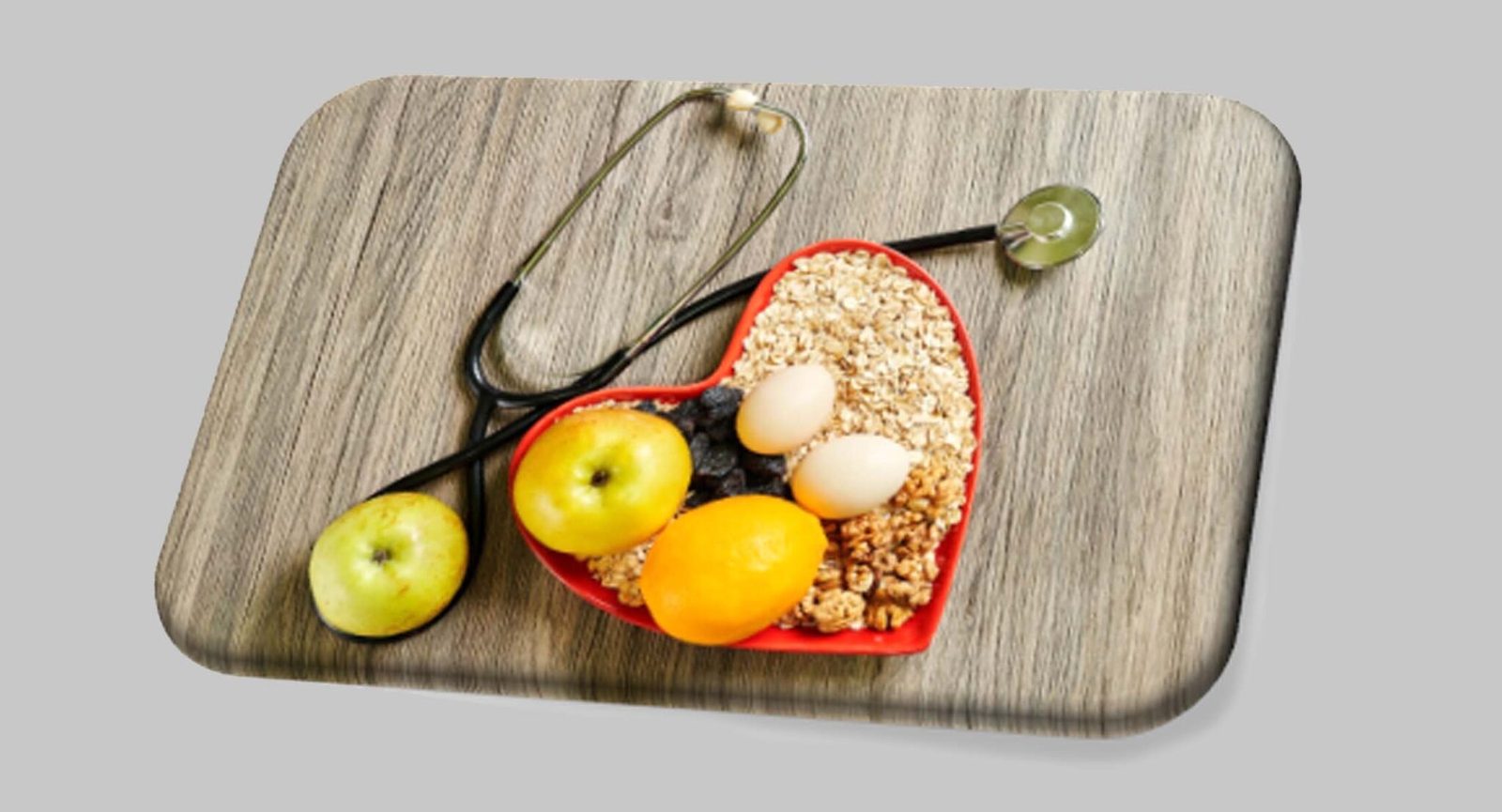
We never think of ‘food’ as ‘medicine’ unless we are aware of its therapeutic effects. Hippocrates, the father of medicine, embraced this concept 2,500 years ago with his famous words: “Let food be thy medicine and medicine be thy food.” This concept was further emphasised as the fortification and enrichment of foods for various health benefits came to be considered — so that foods consumed regularly as part of a varied diet provide health benefits in addition to their nutrients and energy. This growing food category is now known as functional foods.
Functional foods blur the distinction between foods and drugs. Although there is no universally accepted definition for the term, the concept originated in Japan in the early 1980s, in response to rising healthcare costs. Functional foods may include conventional foods such as grains, or modified foods such as yogurt.
Nature also plays its part, giving us clues to identify which foods are good for what: walnuts, with their two hemispheres, tell us they are good for the brain. Sliced tomatoes resemble the heart’s chambers and are helpful in reducing cardiovascular risk. Carrots are good for the eyes, and sliced carrots mimic the picture of an iris and pupil to indicate this. The list goes on — celery for bones, avocados for reproductive health.
There are also foods that can help make us slimmer, sharpen our thinking, whiten our teeth, or ease stress. The modern use of teas such as peppermint and chamomile is nothing less than a functional food application, helping to support balance across the Ayurvedic body pillars of vata, pitta and kapha — the coolness of chamomile can help soothe aggravated pitta, while peppermint tea can help refresh kapha.
Functional foods, in other words, have always existed. They are not a modern invention.
References
- Hasler, C. M. (2002). Functional foods: benefits, concerns and challenges — a position paper from the American Council on Science and Health. The Journal of Nutrition, 132(12), 3772–3781. doi.org/10.1093/jn/132.12.3772
- Devine, C., & Jensen, W. K. (2004). Functional Foods. Encyclopaedia of Meat Sciences, 1, 492–499. doi.org/10.1016/B978-0-12-384731-7.00172-0
- Vainio, H., & Mutanen, M. (2000). Functional foods — blurring the distinction between food and medicine. Scandinavian Journal of Work, Environment & Health, 178–180. doi.org/10.5271/sjweh.528